Let Dr Zubaida be at the helm
By K S T Qureshi
Bangladesh stands at a delicate juncture. The country has endured years of electoral uncertainty, economic fragility and institutional corrosion. Today, the most profound challenge lies not in the streets, nor in the markets, but in the very heart of its political leadership. Almost every significant political organisation appears strained by a deficit of visionary authority. This vacuum is not merely administrative; it is moral, intellectual and strategic. It demands a thoughtful appraisal rather than partisan zeal or sentimental nostalgia.
In this climate of hesitation and inertia, the Bangladesh Nationalist Party (“BNP”) finds itself particularly exposed. For years, it has relied upon the prestige and historic stature of Begum Khaleda Zia. Her contribution to Bangladeshi politics is undeniable. She has been central to the struggle for multiparty governance and pluralistic discourse. However, in the realm of politics, legacy cannot substitute for leadership, and sentiment cannot replace strategy. The unavoidable truth is that prolonged illness has placed her beyond the intense demands of party leadership. Clinging to her as the formal head has led not to reverence but paralysis. The party has admired the symbol without nurturing a successor. As a result, BNP’s capacity to mobilise the people, engage the international community, and articulate a programme for democratic recovery has been severely impeded.
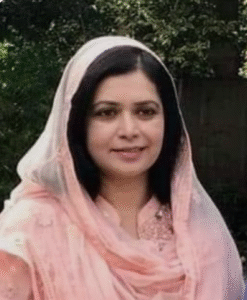
If Bangladesh is truly to rebuild and reclaim its democratic vigour, the principal opposition must revive its internal discipline and present a credible figure who can carry the weight of its history into the future. It is in this context that the name of Dr Zubaida Rahman commands attention. Her academic grounding, professional experience, and unblemished public image offer a rare combination of competence and dignity. She is neither a relic of the past nor a fleeting figure of convenience. Rather, she embodies continuity without stagnation, modernity without rupture. She has the potential to serve as the bridge between grassroots loyalty and international respectability.
There is reason to believe that the people of Bangladesh, fatigued by the theatrics of power without governance, would welcome a leader whose reputation is built on calm resolve rather than bombast. In an era where diplomacy plays a decisive role, her educational record and global exposure would resonate with the governments and institutions presently aligned with Bangladesh. Most importantly, her presence would grant BNP the breathing space to reform its internal organisation, cultivate newer leaders and craft a coherent policy platform before the election scheduled for February 2026.
Politics is not merely the art of resisting one’s opponent. It is the discipline of preparing for responsibility. If BNP aspires to govern a nation still healing from authoritarian disruption, it must first demonstrate that it can govern itself. The selection or election of Dr Zubaida Rahman as its Chair would signal maturity, prudence and institutional seriousness. It would show that the party recognises the demands of the present moment rather than hiding behind the shadows of its past.
The hour is late, but not lost. Bangladesh requires leaders who can navigate both domestic complexities and international expectations with intellectual clarity and moral steadiness. BNP has an opportunity to rise to that challenge by embracing a new leader whose credentials and character may anchor its renewal. Should it fail to act, it risks drifting once again into passive irrelevance. Should it choose wisely, it may help restore balance and democratic vitality to the nation. The choice, though difficult, is necessary. The future will not wait.