Why Blair’s Involvement Betrays Gaza’s Hope: Peace Cannot Be Built On the Ruins of Innocence

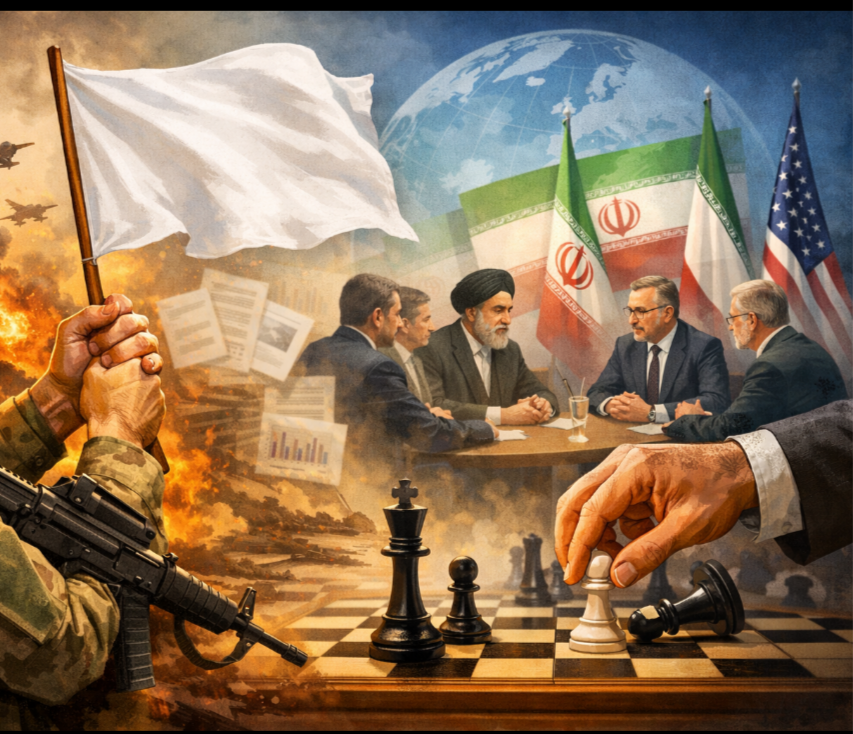
For perhaps the first time in recent memory, Western leaders have put aside their differences and spoken in one voice to stop genocide in Gazza. The world has looked on as a rare coalition of statesmen and women, regardless of creed or country, have called for a ceasefire and urgent humanitarian relief in Gaza. After months of relentless tragedy, this unified resolve carries the promise of a new chapter—one where the sanctity of human life is placed above the calculations of power and politics.
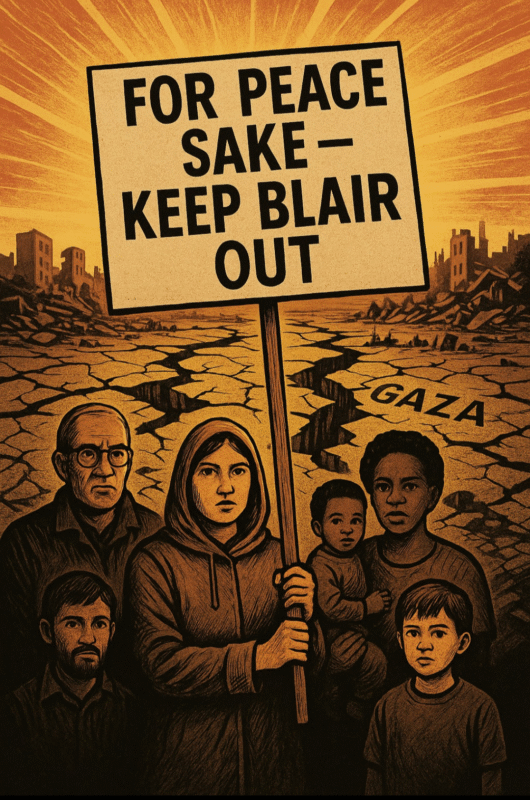
This moment, so hard-won and so fragile, should be the foundation for a lasting peace. Yet, astonishingly, there are now reports that Tony Blair, the former British Prime Minister whose name has become synonymous with the illegal and disastrous invasion of Iraq, is being considered for a role in Gaza’s future. This prospect is not only bewildering—it is deeply insulting to those who have suffered, and an affront to the very ideals of justice and reconciliation that any peace deal must embody.
Tony Blair’s record is not one of peace, but of catastrophic war. His stubborn and misleading advocacy for the invasion of Iraq, built on shaky evidence and dismissed warnings, unleashed chaos that reverberates to this day. The war claimed the lives of tens of thousands of Iraqis, displaced millions, and left a nation in ruins. For many, Blair is not a statesman but a symbol of Western duplicity—a man whose decisions fuelled sectarianism and bred years of mistrust across the region.
To suggest, in the wake of Gaza’s own devastation, that such a figure should be welcomed as a peacemaker, is to ignore both history and the clear will of people around the world. The outpouring of support for Gaza has come from every corner of the globe—ordinary men and women demanding not just an end to violence, but genuine accountability from those who have perpetuated it. To install Blair in any capacity is to silence those voices, to tell the victims that justice and memory can be cast aside for the sake of political convenience.
It is worth remembering that peace is not simply the absence of bombs; it is the presence of dignity, trust, and hope. A peace built on the involvement of those who have presided over past atrocities is no peace at all. The people of Gaza—and indeed, all those who have suffered the consequences of reckless Western intervention—deserve better than to see the architects of their misery returned to positions of influence under the guise of reconciliation.
Moreover, Blair’s previous foray as the so-called Quartet Envoy brought little tangible progress for Palestinians. His tenure was marked by accusations of bias, ineffectiveness, and a lack of genuine engagement with those most affected. Many in the region remember his efforts not as bridge-building, but as window-dressing—a distraction from true accountability and change. To reprise this failed experiment now, at a moment when hope and scepticism hang in such delicate balance, would be a gross miscalculation.
The world has shown, in its reaction to Gaza, that it is capable of compassion and solidarity. Leaders have a responsibility not to squander this moment by reverting to tired habits and familiar faces. The future of Gaza, and the credibility of any peace process, depends on the inclusion of genuine partners for justice—not those whose hands are still stained by the tragedies of yesterday.
History will judge this moment. Will it be remembered as the time when the world finally listened to the voices of the oppressed, and chose a path of integrity? Or will it go down as yet another chapter in which peace was undermined by the very people who once brought war?
The choice should be clear. If we are truly to honour the suffering of Gaza and forge a peace worthy of the name, we must reject the politics of amnesia and expediency. No peace can be built upon the ruins of Iraq, nor on the reputations of those who led us there. Justice demands better. Humanity demands better. And Gaza, above all, deserves better.